Hospodářské noviny: The founder of Portos described what happened around Agrofert before the elections
02 \ 06 \ 2026

The Portos law firm has prepared several key legal opinions for the state over the past twelve months in the case of the conflict of interest of Andreje Babiše – and each time with a different result. The co-founder of the law firm Jaromír Císař explains in an interview why, in his opinion, this is not a turnaround, but the result of an unclear law, political pressure, and varying court interpretations.
The Portos law firm has been practically connected with the case of the conflict of interest of Andreje Babiše since its inception. It was the firm which, during the first Babiš government, when today's Minister of Agriculture Martin Šebestyán (for SPD) led the State Agricultural Intervention Fund (SZIF), assessed whether the law on conflict of interest applied to the payment of agricultural subsidies to Agrofert. When subsequently the European Commission rejected the Czech interpretation, it was again Portos who assisted SZIF  in the lengthy court disputes with the holding company Agrofert.
The same law firm then last summer prepared a legal opinion for then Minister of Agriculture Marka Výborného (KDU ČSL), according to which the law on conflict of interest also applies to entitlement subsidies. The document at that time opened a debate on possible retroactive enforcement of billions of crowns, which Agrofert received during the first Babiš prime minister’s term.
A few months, one parliamentary election, and a change in political circumstances later, Portos produced two further, more extensive position statements. The first concluded that the State Agricultural Intervention Fund should not retrospectively claim anything. The second stated that Andrej Babiš had resolved his conflict of interest in accordance with the law by setting up new trust funds through the RSVP Trust structure, and Agrofert can thus continue drawing subsidies.
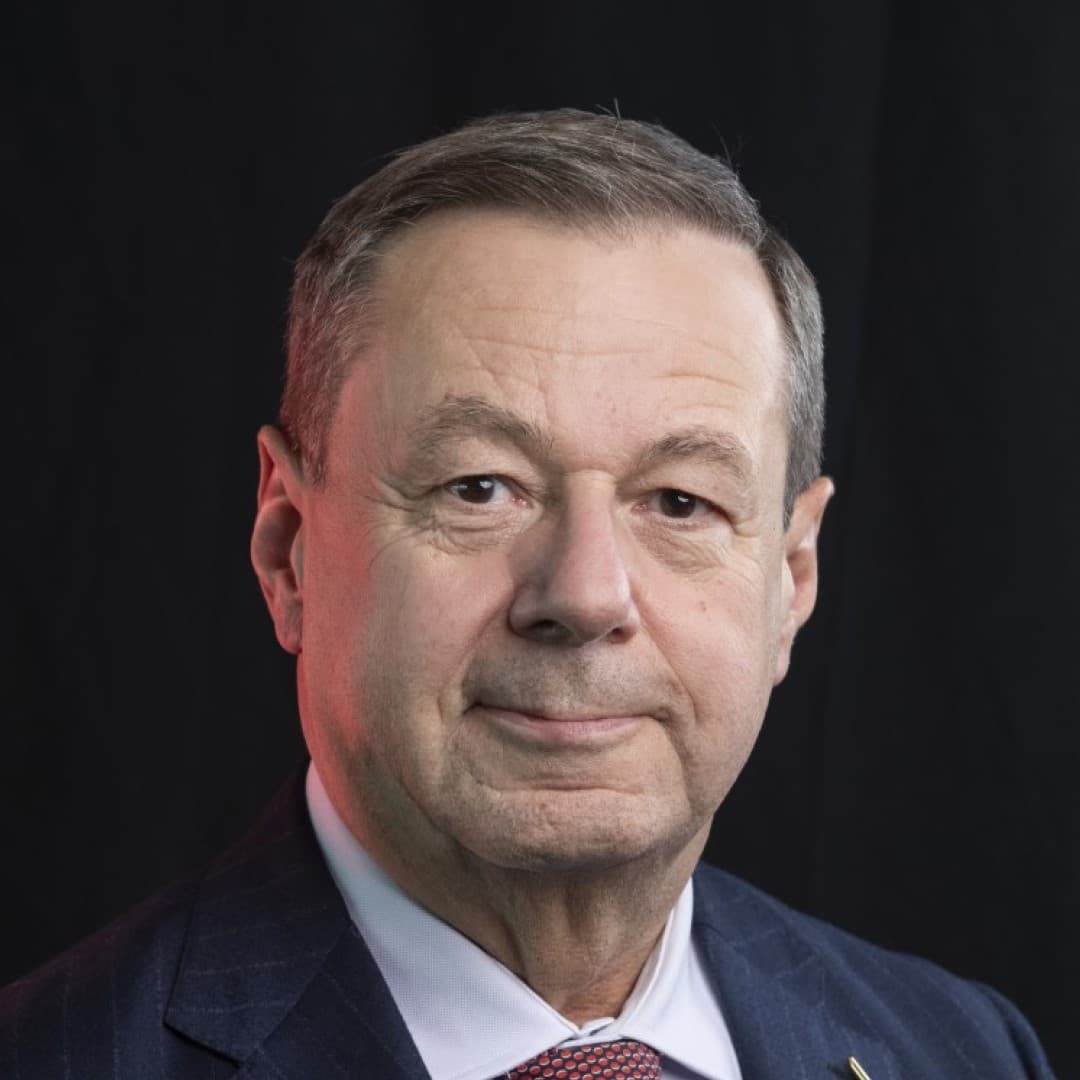
Jaromír Císař, the last of the three founders of the law firm, which until recently bore the name Císař, Češka, Smutný, describes the background of the whole case in an interview for HN. He speaks about political pressure from the former government before the elections, about why, in his opinion, the Czech law on conflict of interest has been failing for a long time, and about the question of whether Babiš’s conflict of interest can ever actually be definitively concluded.
The European Commission is now demanding new legal analyses and evidence from the Czech Republic regarding Babiš’s conflict of interest. Does this mean that the opinions so far – including those from Portos – are considered insufficient by Brussels?
The letter from the Ministry for Regional Development, to which Brussels is now responding, was created back in March, while our legal opinions were not finished until mid-April. At that time, the European Commission did not have our analyses at its disposal at all. Therefore, in my opinion, the current letter from the Commission does not mean that our position statements are being rejected. Rather, it is requesting additional supporting documents, so that it can evaluate the whole matter itself.
The full article by Štěpána Svobody can be found on the Hospodářské noviny website.